Reclaiming Heritage Narratives
Welcome to The non-Europhone Heritage. This project attempts to delve into the questions surrounding heritage, particularly in contexts shaped by colonial histories. Join me as we explore new perspectives and ground our understanding in non-Europhone heritage.

In Africa, the very definition of “heritage” has been profoundly influenced by colonialism. In Africa, the question of what constitutes “heritage” has long been mediated by colonialism. This misrepresentation extended beyond epistemology and history into cultural heritage and the arts. This is where the still-relevant question comes from: what is heritage like in Africa, and what museums are there in Africa? This question is not only central to Africans but to all non-Europhone societies.
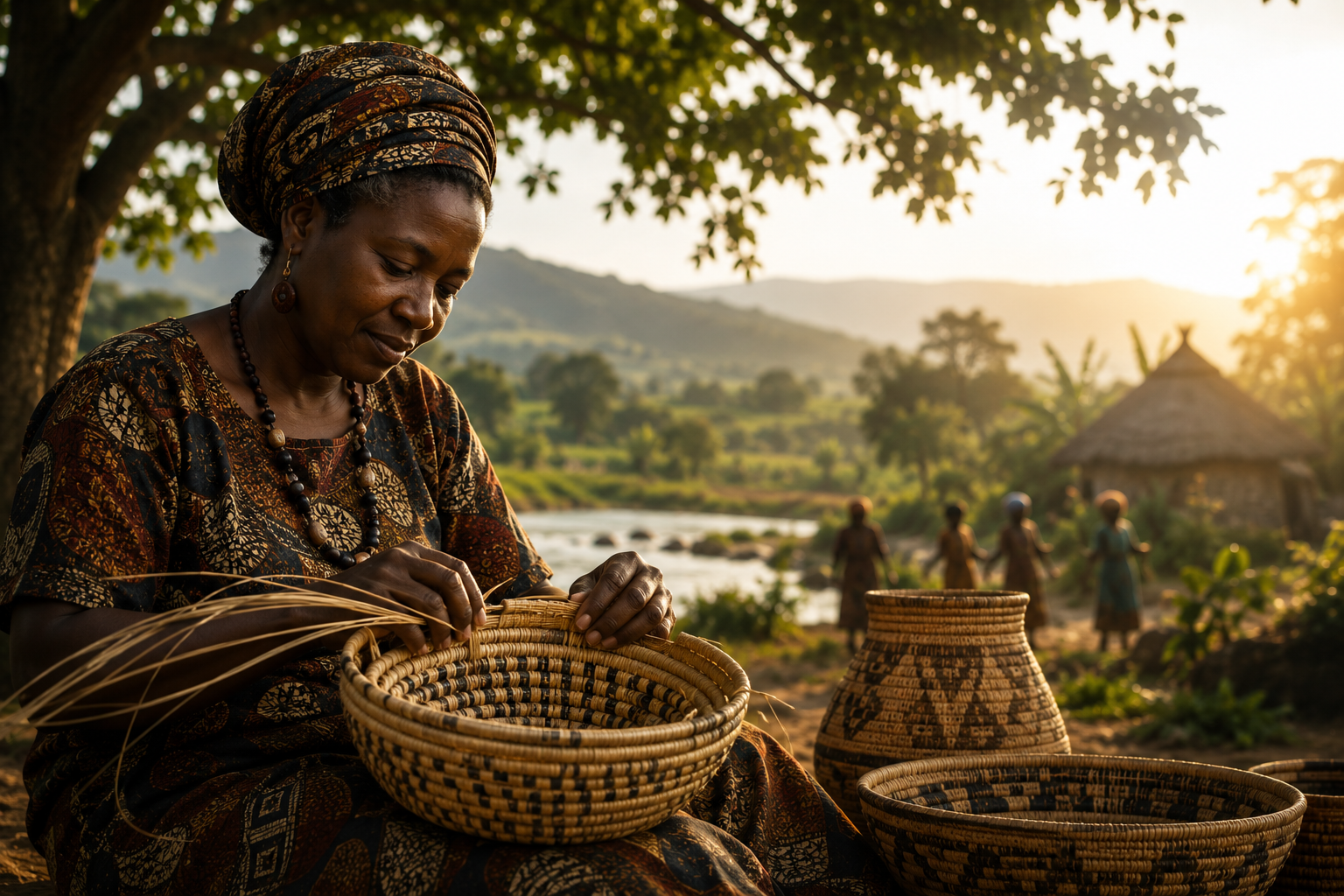
African values, cultural practices, and artistic expressions became legible mainly through Western frameworks. While postcolonial and decolonial thought interrogated colonial history and epistemology, the cultural heritage dimension received less attention. Consequently, forms of heritage outside Eurocentric frameworks remain marginalised or silenced. Heritage, within the authorised discourse, is a Western-dominated term; it is called Europhone Heritage. Any other heritage discourse that arises from the Europhone heritage worldview is non-Europhone heritage. However, my focus here is Africa.
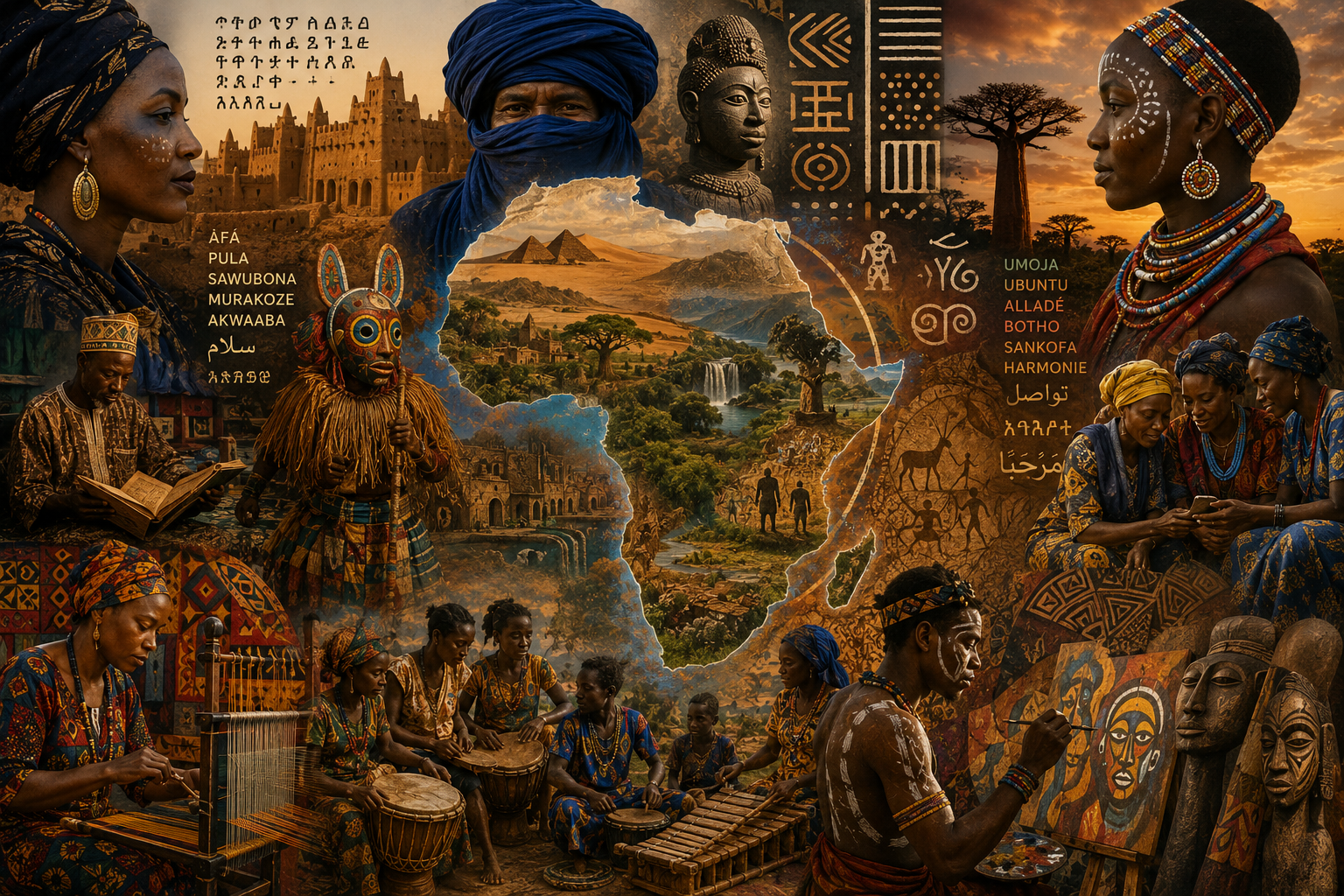
Africa is the most culturally heterogeneous continent in the world, constituted through vast pluralities of languages, cosmologies, historical memories, artistic traditions, and aesthetic regimes. Any singular definition of African non-Europhone heritage, therefore, risks epistemic reductionism. Yet the conceptual articulation of the term remains intellectually generative, opening new theoretical and practical trajectories within heritage discourse. Much as the Senegalese intellectual historian Ousmane Kane, through the notion of the “non-Europhone intellectual,” redirected attention toward African knowledge traditions beyond colonial linguistic hegemonies, African non-Europhone heritage establishes an epistemic framework for reimagining heritage outside Eurocentric classificatory regimes.